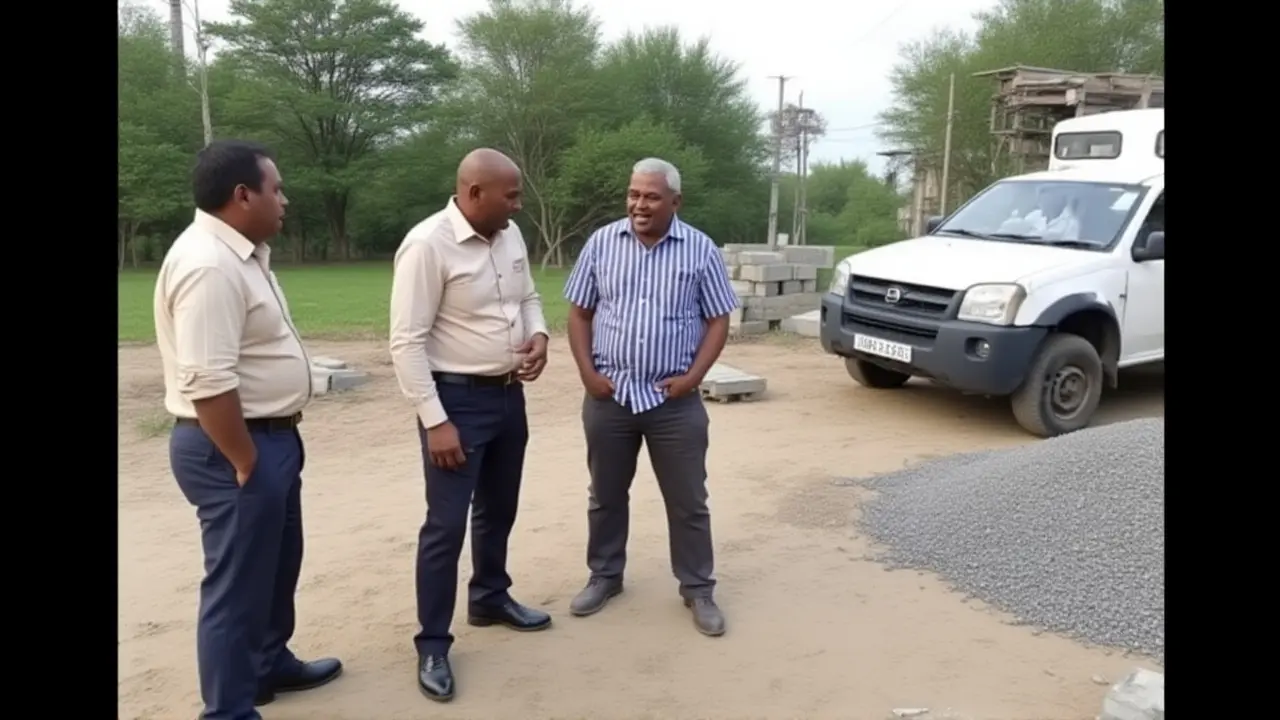
It’s a chilling twist in Kenya’s ongoing fight against graft: an officer sworn to uphold the law is now behind bars for allegedly threatening to kill the very public servants he was supposed to be working alongside. An investigator with the Ethics and Anti-Corruption Commission (EACC) has been taken into custody following explosive allegations that he issued death threats against Kiambu County officials during a routine housing inspection.
The incident, which has sent shockwaves through local governance circles, underscores the volatile nature of anti-corruption investigations in devolved units. While specific details remain scarce, the core allegation—that a federal anti-graft agent threatened lethal violence against county staff—is severe enough to trigger immediate detention by law enforcement authorities.
A Breakdown During Inspection
Here’s what we know so far. The confrontation occurred while Kiambu County officials were conducting a housing inspection. These inspections are standard procedure, often aimed at verifying property ownership, checking for illegal constructions, or assessing assets for corruption probes. It’s a delicate process where tension can easily flare up, especially when EACC agents are involved in parallel investigations.
According to reports from Eastleigh Voice, the situation escalated quickly. Instead of professional disagreement, the EACC investigator allegedly crossed a line into criminal behavior by threatening to kill the county officials. The severity of these words—threatening murder—is not just a breach of protocol; it’s a serious felony under Kenyan law.
The timing is critical. The threats weren’t made in a vacuum but during an active official duty. This suggests the investigator may have felt obstructed or frustrated by the county team’s actions, leading to an emotional outburst with dire consequences. For context, Kiambu County has been a hotspot for both development projects and corruption scandals in recent years, making every inspection high-stakes.
Who Is Involved?
The primary actor here is the unnamed EACC investigator. The commission, led by Chairperson John Githongo, has been under pressure to clean up its own house after several past controversies involving rogue officers. By detaining this individual, authorities are sending a clear message: immunity doesn’t extend to violent threats.
On the other side are the Kiambu County officials. While their names haven’t been released, they represent the devolved government structure established by Kenya’s 2010 Constitution. These officials are tasked with managing local resources and ensuring transparency. Being targeted by a national anti-corruption agent puts them in a precarious position, potentially intimidating future cooperation between county governments and the EACC.
The relationship between these two entities is usually collaborative, albeit tense. The EACC investigates asset declarations and suspicious wealth, often requiring data from county records. When trust breaks down, as it appears to have here, the entire anti-graft framework suffers.

Legal and Institutional Fallout
The investigator is currently in custody. But who arrested him? Likely the Directorate of Criminal Investigations (DCI) or local police responding to the county officials’ report. The lack of immediate disclosure on bail terms or specific charges filed indicates the case is still in its early procedural stages.
This isn’t just a personnel issue; it’s a systemic one. If EACC agents feel empowered to threaten county workers, it undermines the rule of law. "Allegedly" is the key word here, reminding us that the presumption of innocence stands until proven in court. However, the act of detention itself signals that investigators found probable cause to believe the threats were credible and imminent.
Historically, similar incidents have strained relations between Nairobi-based commissions and county governments. In 2023, there were widespread complaints about EACC tactics being overly aggressive. This case could become a landmark example if handled transparently, setting a precedent for how inter-governmental conflicts are resolved without resorting to intimidation.

What Happens Next?
We’re watching closely for three developments. First, will the EACC launch an internal disciplinary inquiry? Second, will Kiambu County Governor William Kabogo issue a statement supporting his staff? Third, will the Director of Public Prosecutions (DPP) fast-track the criminal charges?
For now, the silence is deafening. No official press releases from the EACC headquarters in Nairobi have detailed the arrest. No statements from Kiambu County’s communications department have named the victims. This opacity fuels speculation and anxiety among civil servants across the country.
Frequently Asked Questions
Why was the EACC investigator detained?
The investigator was detained for allegedly issuing death threats against Kiambu County officials during a housing inspection. Threatening someone's life is a criminal offense in Kenya, regardless of the perpetrator's profession or affiliation with anti-corruption bodies. Law enforcement acted to secure the scene and protect the alleged victims.
Who are the Kiambu County officials involved?
As of the latest reports, the specific identities of the Kiambu County officials have not been publicly disclosed. They were performing their duties during a housing inspection when the incident occurred. Protecting their anonymity may be a precautionary measure to ensure their safety and prevent further harassment.
Has the EACC commented on the arrest?
There have been no detailed public statements from the Ethics and Anti-Corruption Commission regarding the specific circumstances of this arrest. Typically, agencies wait for formal charges to be filed before commenting extensively to avoid prejudicing legal proceedings. Internal disciplinary processes may also be underway.
What is the significance of the housing inspection context?
Housing inspections are often part of broader asset verification exercises to detect unexplained wealth or illegal land acquisitions. The involvement of both EACC and county officials highlights the intersection of national anti-graft efforts and local governance. Tensions arise when jurisdictions overlap, making professional conduct crucial.
Will this affect other EACC operations in Kiambu?
It could temporarily strain cooperation between the EACC and Kiambu County government. Trust is essential for effective anti-corruption work. If county officials feel unsafe interacting with EACC agents, information sharing may decrease. However, both institutions have an interest in resolving this swiftly to maintain public confidence in the rule of law.