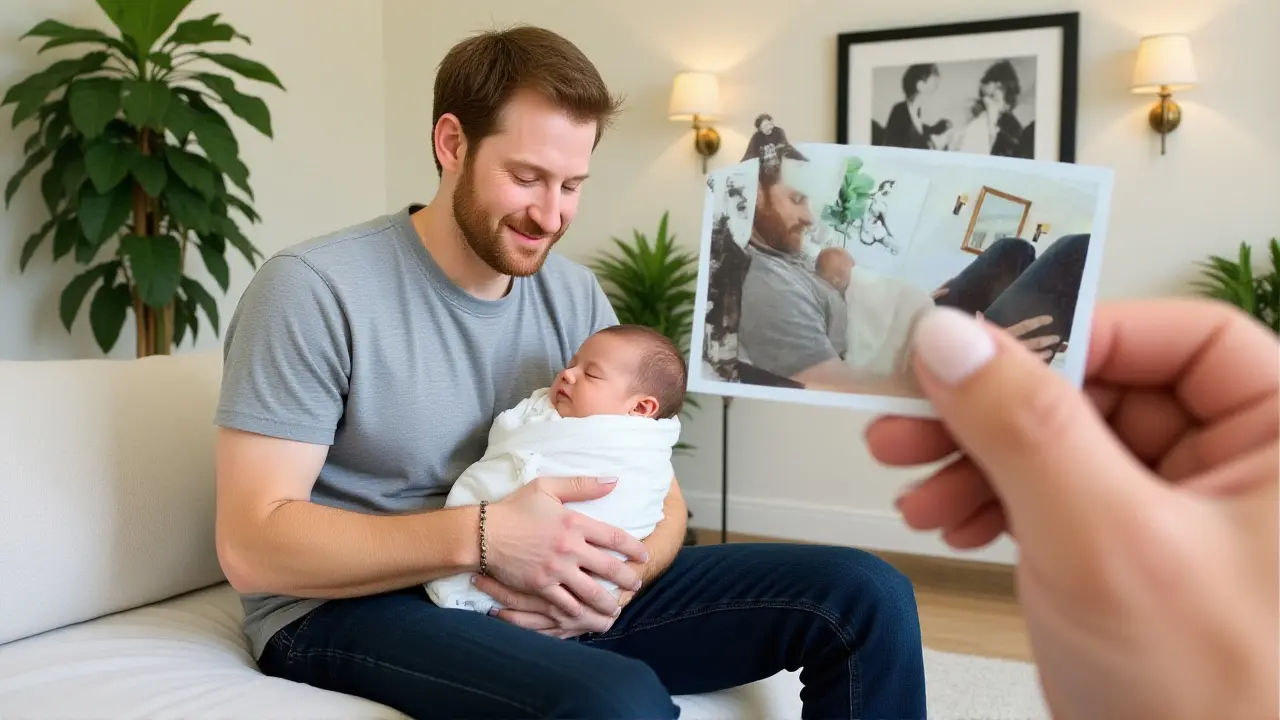
It’s not often you see them together in the UK these days. But last Thursday night, Prince Harry, Duke of Sussex, and his wife, Meghan Markle, Duchess of Sussex, stepped out for a rare date night in London. They attended the 100 Days to Peace Charity concertLondon, a gala marking the centenary of the end of World War I.
The couple’s appearance was more than just a social outing. It signaled their continued, albeit selective, engagement with causes that have defined their public personas since stepping back from royal duties. The event raised vital funds for veterans’ mental health, a topic close to Harry’s heart since his own experiences serving in Afghanistan.
A Night Honoring History and Healing
The concert wasn’t just about raising money; it was about remembering. The "100 Days to Peace" initiative commemorates the 100-day period leading up to the Armistice in November 1918, which ended the Great War. For many, this isn’t just history—it’s family history. The scars of that conflict still echo through generations.
Funds raised went directly to three specific charities: Heads Together, Help for Heroes, and Combat Stress. This trio represents a strategic focus on mental well-being. Heads Together, co-founded by Harry, Prince William, and Kate Middleton, aims to break the stigma around mental health. Help for Heroes supports injured service members, while Combat Stress provides long-term care for veterans suffering from PTSD.
Here’s the thing: Meghan joined Heads Together as a Royal Patron upon her marriage to Harry in 2018. Her presence at this event underscores that connection. Even after leaving the role of working royals, the thread remains intact. It’s a reminder that some commitments transcend titles.
Beyond London: The Austin Connection
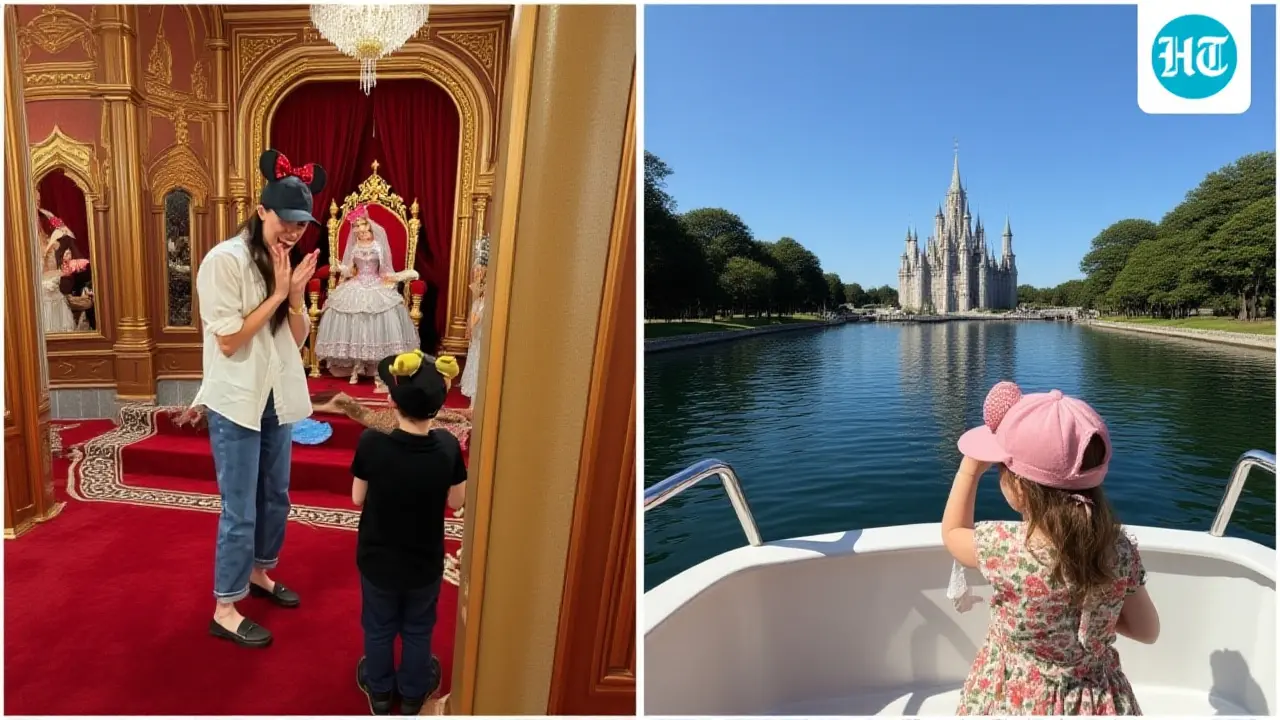
While London got the gala treatment, the Sussexes were also making waves across the Atlantic. Just before their UK appearance, they were spotted dining at Soho House Austin. This wasn’t a random vacation spot. It was a strategic stop ahead of Meghan’s scheduled appearance at South by Southwest (SXSW)Austin, Texas.
SXSW is a massive cultural festival blending music, film, and interactive media. Meghan’s involvement there highlights her pivot toward creative industries and independent advocacy. Meanwhile, Harry has been busy with his own projects, including the Archwell Foundation and various speaking engagements. Their separate paths often converge on shared values—mental health, veteran support, and creative expression.
The Evolution of Royal Advocacy
Let’s be clear: this isn’t the first time Harry and Meghan have supported these causes. In fact, it’s part of a broader pattern. Since their wedding at St George's Chapel in Windsor on May 19, 2018, they’ve used their platform to shine a light on issues often ignored by traditional institutions.
But things have changed. Post-Megxit, their appearances are rarer, more curated, and often tied to specific charitable goals rather than general royal duty. This shift has drawn mixed reactions. Some critics argue they’ve distanced themselves from the very institutions they once served. Others point out that they’ve actually deepened their impact by focusing on niche, high-impact areas like veteran mental health.
The data supports the latter view. Mental health initiatives for veterans have seen increased funding and public awareness since Harry began advocating openly. The "Heads Together" campaign, launched in 2016, has reached millions. By attending events like the 100 Days to Peace concert, Harry and Meghan keep that momentum alive.
Why This Matters Now
In an era where celebrity activism is common, what makes this different? It’s the specificity. They aren’t just donating checks. They’re showing up. They’re listening. And they’re connecting with organizations that do the gritty, unglamorous work of healing trauma.
For veterans, that visibility matters. Studies show that public figures speaking out about PTSD can reduce stigma by up to 30% in certain demographics. When Harry talks about his own struggles, or when Meghan shares stories of resilience, it gives others permission to seek help. That’s the real currency of their influence—not likes or headlines, but lives changed.
What’s Next for the Sussexes?
Looking ahead, expect more targeted appearances. The Sussexes are building a brand based on purpose, not prestige. Future events will likely continue to blend entertainment with advocacy. Think galas with a mission, festivals with a message.
They may not be wearing crowns, but they’re still shaping conversations. And in a world hungry for authenticity, that’s a powerful position. Whether in London or Austin, their message remains consistent: healing is possible, and no one should suffer in silence.
Frequently Asked Questions
Why did Prince Harry and Meghan attend the 100 Days to Peace concert?
They attended to support the centenary commemoration of the end of World War I and to raise funds for veterans' mental health charities. The event specifically benefited Heads Together, Help for Heroes, and Combat Stress, aligning with their long-standing advocacy for mental health awareness and veteran support.
What is Heads Together?
Heads Together is a mental health initiative co-founded by Prince William, Kate Middleton, and Prince Harry in 2016. Its goal is to challenge the stigma surrounding mental health issues and encourage open conversations. Meghan Markle became a Royal Patron of the organization upon her marriage to Harry in 2018.
Did Harry and Meghan return to royal duties with this appearance?
No. This appearance was not part of official royal duties. After stepping back as working royals in 2020, the Duke and Duchess of Sussex operate independently. Their attendance at such events reflects personal commitment to specific charitable causes rather than institutional obligations.
Where else were the Sussexes spotted recently?
Prior to their London appearance, they were seen dining at Soho House in Austin, Texas. This visit preceded Meghan’s scheduled participation in the South by Southwest (SXSW) festival, highlighting their ongoing engagement with cultural and creative sectors in the United States.
How does this event relate to World War I?
The "100 Days to Peace" initiative marks the 100-day countdown to the Armistice signed on November 11, 1918, which ended World War I. The concert serves as both a historical remembrance and a platform to address the lasting psychological impacts of war on veterans, linking past sacrifices to present-day mental health challenges.

its really nice to see them doing this for the vets. mental health is so important and they are helping a lot of people feel better about talking about it. i hope more celebs do this kind of thing instead of just posting on instagram. its good that harry is still connected to his military roots even if he left the palace life behind. megan looks happy too which is what matters most in the end.
The dichotomy between public performance and private conviction remains an elusive paradox for the modern observer. We watch from afar, projecting our own desires onto their curated existence, wondering if the sincerity is genuine or merely another layer of branding strategy.
Ah, the quintessential spectacle of hollow virtue signaling 🎭. They dress up in designer couture to attend a gala where they sip champagne while real veterans suffer in silence. It’s almost poetic how they’ve commodified trauma into a brand aesthetic 😒. One wonders if the funds actually reach those who need them or if it’s just another line item in their empire building 📉.
I think we should all try to understand the complexity here. It is not just about money but about awareness. Many people struggle with PTSD and having high profile figures talk about it helps reduce stigma. We can disagree with their choices but we must acknowledge the positive impact they have on mental health conversations globally.
Look at these western elites pretending to care about war when they haven't lifted a finger for their own country's soldiers; it is truly disgusting how they parade around in London wearing expensive clothes while ignoring the fact that India has sacrificed far more for global peace than the British Empire ever did, and frankly I find their entire narrative to be nothing short of a disgraceful display of neocolonial guilt masked as charity work because let us not forget that the British Raj caused more suffering than any single conflict could ever account for and yet here they are playing savior again.
Don't fall for the PR machine my friends. This is clearly orchestrated by the same networks that control mainstream media narratives. They want you to believe they are heroes while they sit in luxury homes funded by questionable deals. Wake up sheeple.
It is imperative that we recognize the philosophical underpinnings of their actions. To act with intention is to create meaning in a chaotic world. Their presence at such events signifies a deliberate choice to engage with the collective consciousness regarding trauma and healing.
The paradigm shift in celebrity activism is undeniable. By leveraging their platform, they disrupt traditional power structures. However, one must question the authenticity of such gestures within the broader socio-economic framework. Is it performative empathy or genuine advocacy? The data suggests a complex interplay of both.
Love seeing them support such a meaningful cause! It gives me so much hope for the future. Let's keep spreading positivity and supporting mental health initiatives everywhere we go!
Oh please. Another photo op for their book deal. How original. They probably spent more time picking out their outfits than listening to the veterans. Typical Hollywood nonsense wrapped in royal packaging.
There is value in stepping back from the noise to focus on specific issues. Harry has always been open about his struggles and that takes courage. We should encourage more leaders to speak openly about mental health rather than hiding behind stoicism.
Wow!!! Just wow!!! Can you believe they showed up?!?! It’s absolutely incredible how they continue to inspire us all!! The energy they bring is unmatched!! Who else is feeling this vibe right now??!!
While I appreciate the charitable intent, one must critically examine the structural implications of such high-profile endorsements. Does it truly address the root causes of veteran neglect, or does it merely provide temporary visibility? The answer lies in sustained institutional change, not sporadic galas.